Biomimicry in the Sky: How Birds, Insects, and Sci-Fi Inspire the Aircraft of Tomorrow
For over a century, engineers have looked to nature for solutions to the challenges of flight. The Wright brothers studied pigeons and gliders before their first powered flight. Today, researchers continue to explore how the natural world can help us design aircraft that are more efficient, maneuverable, and sustainable.
Birds as Natural Engineers
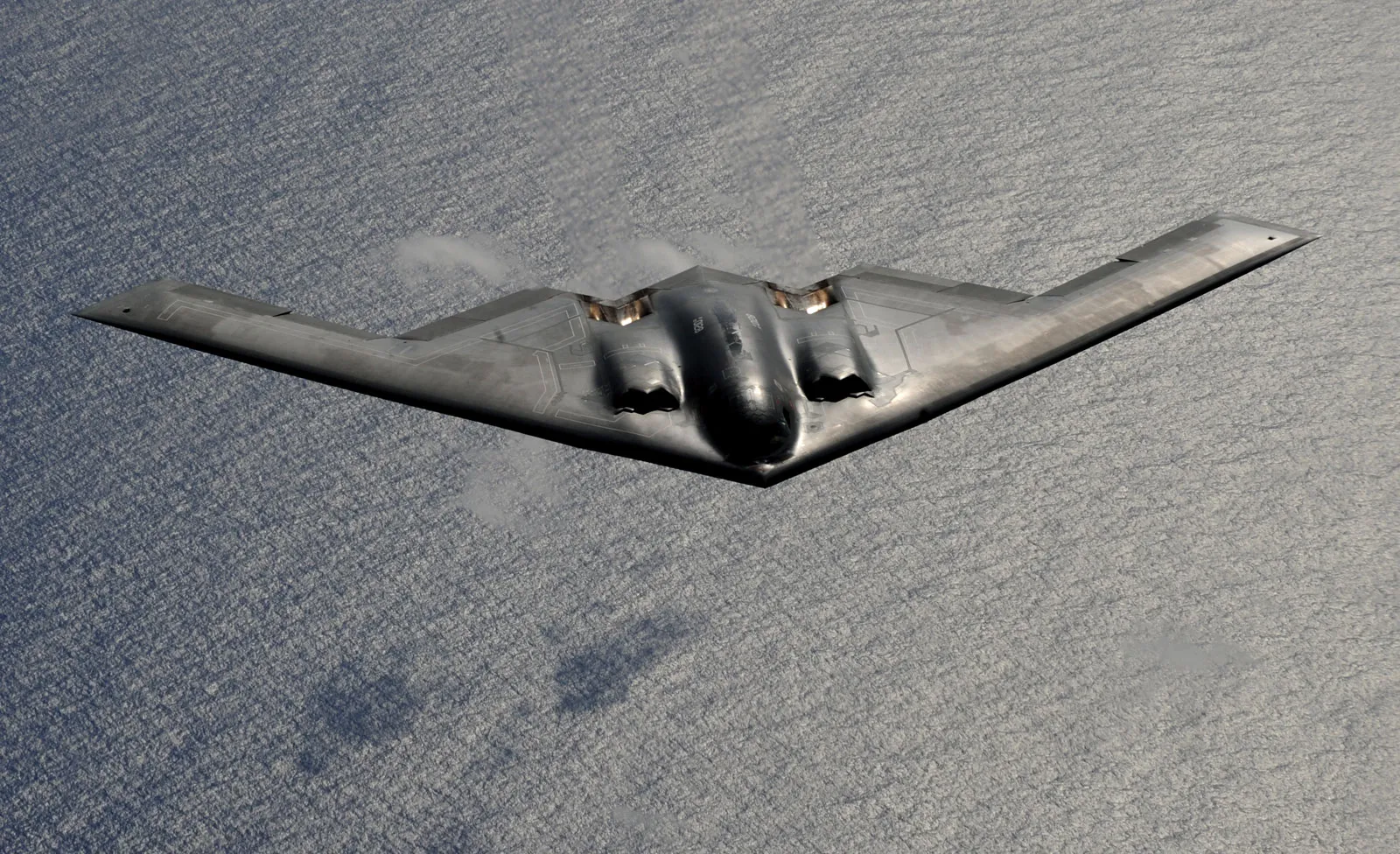
Birds are masters of aerodynamics. Their hollow bones, feather structures, and wing shapes allow them to achieve lift and efficiency far beyond what early aircraft could imagine. Engineers study the albatross for long-distance soaring, the hummingbird for hovering flight, and the peregrine falcon for high-speed dives. Modern aircraft, such as blended-wing bodies, draw inspiration from these natural flyers to reduce drag and save fuel.
Insects and Precision Flight
While birds inspire endurance and efficiency, insects bring lessons in agility. A dragonfly’s four wings allow it to hover, glide, and even fly backward. Flapping-wing drones, sometimes called ornithopters, mimic insect and bird wing mechanics. Though not practical yet for large-scale aviation, these experiments influence micro-drones used in surveillance, environmental monitoring, and even potential planetary exploration.
The Orthocopter Vision
Frank Herbert’s Dune introduced the “ornithopter” (often reimagined as orthocopters in adaptations), a science-fiction aircraft with beating wings that combined the grace of a bird with the functionality of a helicopter. While fictional, the idea captures the essence of biomimicry: a machine that moves not like a mechanical rotor, but like a living creature. Today, research into morphing wings and flexible composites edges us closer to machines that don’t just look like nature—but actually fly like it.
Engineering Tomorrow’s Flight
The future of aviation may not be limited to jets and propellers. By fusing aerodynamics with biomimicry, we may design aircraft that:
-
Use feather-like winglets to reduce turbulence and fuel burn.
-
Employ flexible wings that adapt mid-flight like those of migratory birds.
-
Develop flapping-wing aircraft for planetary exploration where conventional flight is difficult.
Conclusion
Biomimicry in aviation shows us that nature is not just inspiration, but also a design manual billions of years in the making. Whether studying an eagle’s wingspan, a dragonfly’s hovering, or a science-fiction orthocopter from Dune, the lesson is clear: the future of flight may look less like today’s jets, and more like the creatures that already dominate the skies.

Comments
Post a Comment